
Austria Tour Packages from Dubai

Package Details

AUSTRIA
- 8 Nights Austria
- Starting From : AED 6350* Prices are on Twin Sharing Basis
Inclusions
- 2 nights in 4-star hotel in Vienna
- 2 nights in 4-star hotel in Salzburg
- Daily breakfast
- Airport and train station transfers on private basis
- Daily sightseeing tours on shared coach basis
- English-speaking guide
- All applicable taxes

Best Places In Austria From Dubai
Explore Most Rated Places in Austria with Neo Travels
Austria Tour Packages from Dubai
There is a particular kind of magic that belongs exclusively to Austria – a magic compounded of soaring Alpine peaks and fairy-tale lake villages, of imperial palace halls and intimate coffee house tables, of Mozart and Strauss and the world’s greatest concert halls, of strudel and schnitzel and wine harvests on ancient Danube terraces. Austria sits at the very heart of Europe, both geographically and culturally, and a holiday here feels like immersing yourself in the finest that the continent has to offer – refined, beautiful, and deeply, authentically civilised.
For UAE residents, Austria is a destination that delivers a genuinely distinctive European experience – one that combines magnificent natural landscapes with extraordinary cultural depth in a compact, beautifully connected country that rewards every style of traveler. A flight of approximately 6 to 7 hours from Dubai International Airport places Austria comfortably within reach for both one-week city breaks and extended multi-city Alpine tours. At Neo Travels, our Austria tour packages from Dubai are crafted to give you the very best of this exceptional country – from the grandeur of Vienna’s Ringstrasse to the mountain splendour of the Tyrolean Alps, all managed seamlessly from start to finish.
Why Austria Tour Packages from Dubai Are Perfect for Every Traveler
Austria offers a rare combination of experiences that few European countries can match – a destination where culture, nature, history, cuisine, and adventure coexist in perfect equilibrium. Here is why Austria consistently appears on the travel wishlist of discerning UAE residents:
Four-season destination – Austria delivers extraordinary experiences in every season; summer hiking and lake swimming, autumn vineyard tours, winter skiing in world-class Alpine resorts, and spring city breaks when the parks bloom and crowds are minimal
UNESCO World Heritage Sites at every turn – Vienna’s historic centre, Salzburg’s old town, the Hallstatt-Dachstein region, and the Wachau valley are among Austria’s six UNESCO World Heritage Sites, making it one of Europe’s most historically rich compact destinations
Imperial grandeur unlike anywhere in Europe – the Habsburg dynasty ruled Austria for over 600 years, leaving behind a legacy of magnificent palaces, world-class museums, and a cultural self-confidence that permeates every corner of the country
World capital of classical music – Austria is the birthplace of Mozart, Schubert, and Brahms, and the adopted home of Beethoven and Haydn; attending a classical concert in Vienna or Salzburg is one of Europe’s most transcendent cultural experiences
Alpine paradise for outdoor enthusiasts – from the ski slopes of Kitzbuhel and Innsbruck to the hiking trails of the Salzkammergut lake district and the cycling paths along the Danube, Austria’s natural landscape offers adventure at every level
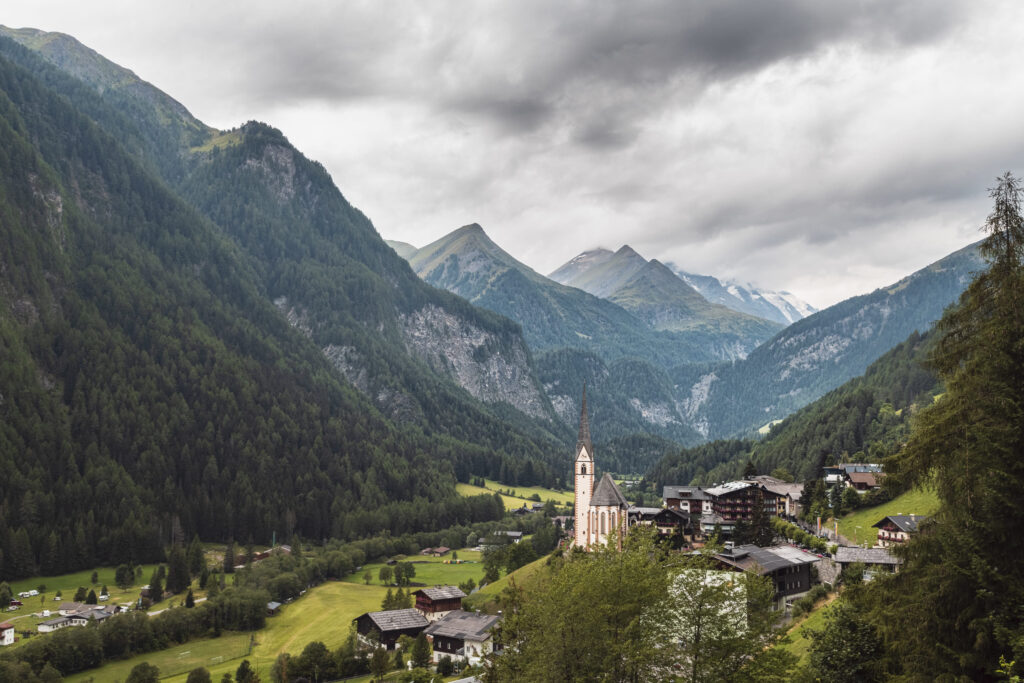
Hallstatt – arguably the most photographed village in the world, this impossibly picturesque lakeside settlement in the Austrian Alps is a bucket-list destination that exceeds every expectation in person
Exceptional safety and infrastructure – Austria consistently ranks among the world’s safest and most well-organised travel destinations, with an outstanding rail network, impeccable English spoken across the tourism sector, and a culture of punctuality and service that UAE residents appreciate
Schengen Area destination – Neo Travels provides full Schengen visa guidance and application support for all UAE resident nationalities requiring a visa for Austria
Top Attractions & Things to Do in Austria
Austria’s extraordinary concentration of world-class attractions makes itinerary planning one of the most pleasurable challenges in travel. Here is a guide to the experiences that define any Austria tour from Dubai:
Vienna – Imperial Palaces & World-Class Culture
Vienna is one of the most extraordinary capital cities in the world – a place where the legacy of the Habsburg Empire manifests in an almost overwhelming abundance of palaces, museums, concert halls, coffeehouses, and galleries, all arranged across a city of elegant Ringstrasse boulevards and charming Biedermeier neighbourhoods. Consistently ranked among the world’s most liveable and most visited cities, Vienna offers layers of cultural richness that reward days of exploration and still leave you with the feeling that you have only scratched the surface.
- Schonbrunn Palace – the former summer residence of the Habsburg emperors, a UNESCO World Heritage Site of staggering grandeur with 1,441 rooms, extraordinary state apartments, and the world’s oldest zoo set within 160 hectares of manicured imperial gardens; a full day could easily be spent here
- The Hofburg Palace – the Habsburg dynasty’s winter residence and the epicentre of European imperial power for six centuries; the complex contains the Imperial Apartments of Emperor Franz Joseph and Empress Elisabeth (Sisi), the Imperial Silver Collection, and the Spanish Riding School where the legendary Lipizzaner stallions perform their classical dressage
- The Ringstrasse – Vienna’s magnificent 19th-century boulevard encircling the historic first district, lined with an extraordinary series of neo-Gothic, neo-Renaissance, and neo-Baroque monumental buildings including the Vienna State Opera, the Kunsthistorisches Museum, the Parliament, the Rathaus, and the Burgtheater; a walk along the Ring is one of Europe’s finest architectural promenades
- The Kunsthistorisches Museum – one of the world’s great art museums, with a collection assembled by the Habsburgs over five centuries; the Egyptian antiquities, Greek and Roman collection, and Old Masters gallery – including the world’s finest collection of Pieter Bruegel the Elder paintings – are extraordinary
- The Vienna State Opera – the most prestigious opera house in the world, offering nightly performances of extraordinary quality from September through June; standing tickets are available for a nominal fee and represent one of the world’s great cultural bargains
- St. Stephen’s Cathedral – Vienna’s most iconic landmark, a magnificent Gothic masterpiece that has dominated the city’s skyline since the 12th century; climb the 343-step south tower for panoramic views across the city and the Vienna Woods beyond
- The Naschmarkt – Vienna’s most famous outdoor market, stretching for over half a kilometre along the Linke Wienzeile; a feast of Austrian produce, international street food, and colourful market stalls that provides an irresistible immersion in Viennese daily life
- The Belvedere Palace – the magnificent baroque palace complex housing one of Austria’s greatest art collections, including Klimt’s The Kiss, Egon Schiele masterpieces, and the room where the Austrian State Treaty was signed in 1955; the formal gardens between the Upper and Lower Belvedere are among Vienna’s most beautiful
- Vienna’s coffeehouse culture – Vienna’s UNESCO-listed coffeehouse tradition is one of the city’s defining cultural institutions; sitting in a grand Viennese coffeehouse such as Cafe Central, Cafe Landtmann, or Demel for a melange and a slice of Sachertorte is as much a part of the Vienna experience as any palace or museum
Salzburg – Mozart's Birthplace & Alpine Charm
Salzburg is one of Europe’s most beautiful and romantically situated cities – a compact, perfectly preserved baroque jewel nestled between the River Salzach and the Untersberg mountain on the edge of the Austrian Alps. The birthplace of Wolfgang Amadeus Mozart and the backdrop for The Sound of Music, Salzburg combines an extraordinary cultural heritage with one of the most scenic natural settings of any city in Europe. The entire historic centre is a UNESCO World Heritage Site, and virtually every street in the old town offers a view of exceptional beauty.
- Hohensalzburg Fortress – the largest and best-preserved medieval fortress in Central Europe, perched magnificently on the Festungsberg hill above the old town; the views from the battlements across the city and the surrounding Alps are breathtaking in any season
- Mozart’s Birthplace and Residence – Wolfgang Amadeus Mozart was born at Getreidegasse 9 in 1756; the yellow building is now a world-famous museum exploring the composer’s life and work, while the Mozart Residence on Makartplatz provides a deeper exploration of his later life in Salzburg
- Mirabell Palace and Gardens – the baroque palace built for Archbishop Wolf Dietrich as a gift for his mistress, whose magnificent formal gardens were used as filming locations in The Sound of Music; the mountain backdrop behind the perfectly manicured parterre gardens is one of Salzburg’s most photographed views
- The Salzburg Festival – held every July and August, the Salzburg Festival is one of the world’s most prestigious classical music and opera festivals, founded in 1920; attending a performance during the festival is a bucket-list cultural experience that draws royalty, heads of state, and music lovers from across the world
- The Sound of Music Tour – for visitors who grew up with the 1965 film, a guided tour of Salzburg’s filming locations – including Mirabell Gardens, Leopoldskron Palace, the Mondsee church, and the Alpine landscapes of the Salzkammergut – is one of the most popular and enjoyable excursions in all of Austria
- Hellbrunn Palace and Trick Fountains – the early 17th-century pleasure palace of the Archbishops of Salzburg, famous for its remarkable hydraulic trick fountains and water games that have been delighting and surprising visitors for four centuries; excellent for families
- The Salzkammergut Lake District day trip – a short drive from Salzburg, the extraordinary lake district of the Salzkammergut – home to Hallstatt, St. Wolfgang, Bad Ischl, and dozens of other villages – is one of Austria’s most beautiful regions and an essential addition to any Salzburg-based itinerary
Hallstatt – Austria's Most Picturesque Village
Hallstatt is a destination that has achieved a kind of global mythological status – a tiny village of around 800 inhabitants perched on the narrow strip of land between the sheer cliff face of the Dachstein and the deep, mirror-still waters of the Hallstattersee. So perfectly, impossibly beautiful is Hallstatt that it has been replicated in full scale in China’s Guangdong province and has inspired villages in films from Frozen to various Asian productions. Visiting in person, however, reveals that no reproduction can capture the atmosphere of arriving by ferry across the lake to find this ancient, perfectly preserved village clinging to its cliff above the water.
- The lakeside promenade – the walk along Hallstatt’s waterfront, past the colourful boathouses, the church with its remarkable gothic altar, and the reflections of the village in the still lake water, is simply one of the most beautiful walks in the world
- Hallstatt Skywalk – a viewing platform at 350 metres above the village, accessed by funicular railway, offering one of the most dramatic and vertigo-inducing panoramic views in all of Austria; the view down over the village and lake is extraordinary
- The Salt Mine – the world’s oldest salt mine, with over 7,000 years of documented mining history; guided tours descend into the mountain via miner’s slides and explore spectacular underground salt chambers that explain the ancient wealth and significance of this remarkable settlement
- Dachstein Ice Caves – within the Dachstein massif above Hallstatt lie extraordinary ice caves and mammoth caves that can be explored on guided tours; the giant ice formations and prehistoric cave chambers are genuinely awe-inspiring
- The Hallstatt Ossuary – the small bone house of the Catholic church, containing over 1,200 decorated skulls, is a uniquely macabre and historically fascinating insight into the village’s burial traditions across the centuries
- Photography at dawn – Hallstatt is most beautiful and most peaceful in the very early morning before the day-trippers arrive; photographers who rise before 7am are rewarded with the village reflected perfectly in the glassy lake, with the first morning light catching the church spire and mountain peaks
Best Cities to Explore on Your Austria Tour from Dubai
Innsbruck – Alpine Adventures & Stunning Architecture
Innsbruck is one of Europe’s most dramatically situated cities – the capital of Tyrol, set within a deep Alpine valley with towering mountain faces rising almost vertically above the city’s elegant baroque rooflines. The combination of a remarkably well-preserved imperial old town with immediate access to world-class skiing, hiking, and mountain adventures makes Innsbruck uniquely compelling among Austrian cities. Twice the host of the Winter Olympic Games 1964 and Winter Olympic Games 1976, Innsbruck carries its Alpine identity with pride. The Golden Roof – the most famous landmark in Innsbruck’s old town, a late-Gothic oriel window commissioned by Maximilian I and covered with 2,657 fire-gilded copper tiles; the building below it is now a museum dedicated to the emperor’s remarkable life. Swarovski Crystal Worlds – just 15 kilometres from Innsbruck in the village of Wattens, the Swarovski Crystal Worlds museum is one of Austria’s most visited attractions; a subterranean world of chambers designed by artists from Yoko Ono to Brian Eno, all themed around crystal, light, and imagination. The Nordkette Cable Car – rising directly from the city centre, the Nordkette cable car ascends to 2,256 metres on the Hafelekar peak in under 20 minutes; the views down over Innsbruck and across the Inn valley are extraordinary, and in winter the slopes are directly accessible from the top station. The Hofburg Imperial Palace – Innsbruck’s Habsburg palace, significantly expanded by Maria Theresa in the 18th century, houses magnificent state apartments, the Court Chapel with the spectacular monument to Maximilian I flanked by 28 larger-than-life bronze ancestral figures, and the Imperial Silver and Court Tableware Collection. Ski resorts of Tyrol – Innsbruck provides access to some of the world’s most celebrated ski areas, including Kitzbuhel, Zillertal, Otztal, and the Stubai Glacier – the latter offering year-round skiing and just 40 minutes from the city centre. Ambras Castle – the spectacular Renaissance castle above Innsbruck, housing the Habsburg armour collection and the remarkable Chamber of Art and Curiosities assembled by Ferdinand II in the 16th century; the formal gardens and views over the Inn valley are beautiful.
Graz – Austria's Charming Second-Largest City
Graz is Austria’s second-largest city and one of its best-kept secrets – a beautifully preserved Renaissance city with one of Central Europe’s largest intact medieval old towns, a UNESCO World Heritage Site that combines extraordinary architectural heritage with a vibrantly youthful, student-driven energy. The capital of the Styria region, Graz sits at the intersection of Alpine, Mediterranean, and Central European cultural influences, giving it a distinctly cosmopolitan character and one of the most interesting food and wine cultures in the country. The Schlossberg – the dramatic forested hill rising 473 metres above the city centre, topped by the remains of a medieval fortress and the famous 16th-century Clock Tower that has become the symbol of Graz; access is by funicular, lift, or the challenging 260-step staircase; the panoramic views over the old town and the Alps beyond are magnificent. The UNESCO Old Town – Graz’s remarkably intact Renaissance old town encompasses the Hauptplatz with its baroque Rathaus, the Landhaus with one of Austria’s finest Renaissance courtyards, the Cathedral and the atmospheric Mausoleum of Ferdinand II, and dozens of historic palaces, arcaded courtyards, and fountain-centred squares. The Kunsthaus Graz – one of Austria’s most striking contemporary art museums, housed in a biomorphic blob-shaped structure of iridescent blue acrylic panels designed by Peter Cook and Colin Fournier; known locally as the Friendly Alien for its relationship with the historic old town it sits beside. Styrian cuisine and wine – Graz is the gateway to Styria’s extraordinary wine and culinary culture; pumpkin seed oil drizzled over everything, Schilcher rose wine, Styrian lard bread, and the pork-based dishes of the region are quite distinct from Viennese cuisine and equally excellent. Schloss Eggenberg – a magnificent baroque palace on the outskirts of Graz, a UNESCO World Heritage Site housing outstanding collections of Roman and medieval artefacts, 16th-century hunting trophies, and baroque interiors of great richness; the surrounding deer park is beautiful for walking.
Linz – Art, Technology & Danube River Beauty
Linz is Austria’s third-largest city and one of its most intriguing – a post-industrial river city that has reinvented itself as a European capital of contemporary art, digital culture, and technological creativity, while simultaneously preserving a genuinely beautiful baroque old town and a remarkable legacy as the city where both Adolf Hitler and Wolfgang Amadeus Mozart spent formative years. Linz rewards the curious visitor with a surprising depth of cultural experience and serves as the natural base for exploring the extraordinary Wachau Valley – Austria’s most scenic stretch of the Danube. The Ars Electronica Center – Austria’s most innovative museum, dedicated to the intersection of art, technology, and science; the centre’s Deep Space 8K immersive projection environment and its explorations of artificial intelligence, virtual reality, and digital culture make it one of Europe’s most stimulating museum experiences. The Main Square – Linz’s magnificent baroque Hauptplatz, one of the largest mediaeval squares in Central Europe, centred on the Baroque Trinity Column and surrounded by grand 17th and 18th-century facades; the square comes alive with markets and events throughout the year. Lentos Kunstmuseum – one of Austria’s most important modern art museums, housed in a spectacular glass and concrete building on the Danube riverbank that glows in different colours at night; the collection spans 19th-century Austrian art through to contemporary installations. Linz Castle – the imposing castle above the old town, rebuilt by Frederick III in the 15th century and housing the Upper Austrian Provincial Museum’s collections of archaeology and history; the castle terrace offers fine views across the Danube and the city. The Wachau Valley – just downstream from Linz, the Wachau is one of Central Europe’s most beautiful river landscapes; a UNESCO World Heritage Site of vine-terraced hillsides, medieval river towns, ancient abbeys, and ruined castles stretching between Melk and Krems; the Melk Abbey perched above the river is one of Austria’s most magnificent buildings and not to be missed. Donausteig cycling trail – the Linz section of the Donausteig (Danube Steps) cycling trail offers spectacular day rides through the Wachau and the dramatic Granite Plateau north of the Danube, ideal for active travelers.
Best Time to Visit Austria from Dubai
Austria’s four-season climate means the country transforms dramatically throughout the year, offering genuinely distinct experiences in every season. Understanding these rhythms helps you choose the Austria tour from Dubai that best matches your interests:
| Season / Period | Weather & Conditions | Best For |
| Spring – March to May | Mild 8–18°C, Alpine meadows in bloom, fewer tourists, and pleasant weather across Austria’s cities. | Vienna sightseeing, Hallstatt day trips, walking and cycling tours, and excellent shoulder-season value. |
| Summer – June to August | Warm 20–28°C temperatures, long sunny days, and Alpine lakes ideal for swimming and outdoor activities. | Lake District visits, hiking, Salzburg Festival, Danube cycling routes, and outdoor dining experiences. |
| Autumn – September to November | Crisp 8–18°C weather, golden foliage, grape harvest season, and fewer crowds at major attractions. | Vineyard tours, cultural visits, photography, and excellent hotel availability throughout the country. |
| Winter – December to March | Cold 0–5°C temperatures in cities, heavy snowfall in the Alps, and a magical Christmas atmosphere. | Skiing in Tyrol and the Salzburg region, Vienna Christmas markets, and memorable winter city breaks. |
Austrian Food & Culture – What to Expect on Your Trip
Austrian cuisine is Central European cooking at its most refined and comforting – a culinary tradition deeply rooted in the imperial court of the Habsburgs, which drew influences from across the vast multiethnic empire to create a distinctive culinary identity that is quite unlike the food of any of its neighbours. Eating well in Austria requires almost no effort; the country’s commitment to quality ingredients and culinary craftsmanship extends from the grandest hotel restaurant to the humblest village Wirtshaus.
Essential Austrian Food Experiences
- Wiener Schnitzel – Austria’s most internationally famous dish; a thin slice of veal (not pork – that is a Schnitzel Wiener Art) pan-fried in clarified butter until golden and crispy, served with a slice of lemon and lingonberry jam; the benchmark of Viennese cooking and available everywhere from grand restaurants to corner Beisln
- Tafelspitz – Emperor Franz Joseph’s favourite dish; prime boiled beef served with apple and horseradish cream, roasted potatoes, and beef broth; at its finest in Vienna’s traditional restaurants and a dish of remarkable elegance in its simplicity
- Sachertorte – the world’s most famous chocolate cake, invented at the Hotel Sacher in Vienna in 1832; a dense chocolate sponge layered with apricot jam and covered in dark chocolate glaze, served with unsweetened whipped cream; the authentic version at the Hotel Sacher or Demel is a non-negotiable Vienna experience
- Apfelstrudel – Austria’s most beloved pastry, with tissue-thin filo dough wrapped around cinnamon-spiced apple filling; the best versions, served warm with vanilla sauce and topped with icing sugar, are found in traditional Viennese coffeehouses
- Kaiserschmarrn – the Emperor’s torn pancake; a cloud-light, caramelised shredded pancake served with plum compote, traditionally eaten as a dessert or an afternoon sweet; one of Austria’s most comforting and distinctive dishes
- Viennese coffeehouse culture – the Viennese coffeehouse is a UNESCO Intangible Cultural Heritage institution; the melange (espresso with steamed milk), kleiner Brauner (small espresso with cream), and einspanner (black coffee under whipped cream) are the classic orders; newspapers are provided, lingering is encouraged, and the waiter will never hurry you
- Styrian cuisine – Graz and the Styria region offer Austria’s most distinctive regional cooking; pumpkin seed oil (Kurbiskernol) drizzled over salads and soups, Schilcher rose wine from the Weststeiermark hills, Styrian pressed beef salad, and wood-fire grilled meats make Styrian cooking one of Central Europe’s most interesting regional cuisines
Cultural Highlights for UAE Visitors
- Austria is an overwhelmingly safe and welcoming country for travelers from the UAE and the wider Islamic world; Vienna in particular has a long historical relationship with the Ottoman Empire and the East, and today has a well-established Muslim community with halal restaurants and mosques across the city
- Classical music is not merely background culture in Austria – it is the heartbeat of national identity; attending a concert at the Vienna Philharmonic, a Mozarteum performance in Salzburg, or even one of Vienna’s many Mozart dinner concerts is a deeply Austrian cultural immersion
- Austrian punctuality is genuine – trains, performances, and restaurant bookings all operate on time; adapting to this rhythm rather than fighting it is strongly recommended
- Austrians are reserved in public but warm in personal interaction; a polite Guten Morgen or Gruss Gott (the Austrian greeting) goes a long way in establishing a friendly connection
- Tipping culture in Austria is modest but appreciated – rounding up the bill or adding 5 to 10 percent in restaurants, cafes, and taxis is standard practice
Austria Travel Tips for UAE Residents & First-Time Visitors
Make your Austria tour from Dubai as smooth and rewarding as possible with these essential practical tips from the Neo Travels team:
Austria is part of the Schengen Area – UAE residents require a valid Schengen visa depending on their passport nationality; UAE national passport holders travel visa-free to Schengen countries for up to 90 days, while most expatriate residents in the UAE require a Schengen visa; Neo Travels provides complete guidance and documentation support for all applications from Dubai
The Austrian Federal Railways (OBB) network is superb – trains between Vienna, Salzburg, Innsbruck, Linz, and Graz are fast, comfortable, and punctual; purchasing an OBB ticket in advance online delivers significant savings and the train journey through the Alpine passes is an experience in itself
Vienna’s public transport system is one of the best in Europe – the U-Bahn metro, trams, and buses are clean, frequent, and remarkably easy to navigate; a 24-hour or 72-hour Vienna City Card provides unlimited travel and museum discounts
Book Schonbrunn Palace, the Spanish Riding School, and the Kunsthistorisches Museum in advance, particularly during summer and December – these attractions sell out and advance tickets save significant queuing time
Hallstatt is best visited early in the morning or as an overnight stay – the village receives over one million tourists per year and midday visits in summer involve very large crowds; arriving before 9am or staying overnight transforms the experience entirely
Dress in layers for Alpine activities – weather in the mountains can change rapidly regardless of the season; even in summer, temperatures at altitude can be significantly cooler than in the city; a waterproof jacket is always advisable
Austria uses Type F two-pin plugs – a universal travel adapter is required for UAE-standard appliances
German is the official language of Austria – while English is widely spoken in Vienna and the tourist regions, learning a few words of German (Bitte for please, Danke for thank you, Entschuldigung for excuse me) is genuinely appreciated by Austrians outside the main tourist areas
Cash remains important in Austria – while card payments are increasingly accepted in cities, many small restaurants, market stalls, and rural establishments prefer cash; carry a reasonable supply of Euros at all times
Vienna Card and Salzburg Card offer excellent value – both city tourist cards include unlimited public transport and free or discounted entry to the main museums and attractions; they represent outstanding value for visitors spending 2 or more full days in either city
Why Neo Travels Offers the Best Austria Tour Packages from Dubai
Planning an Austria holiday from Dubai involves navigating Schengen visa requirements, multi-city rail logistics, a wealth of competing cultural attractions, and the challenge of building an itinerary that balances Vienna’s imperial grandeur with the Alpine landscapes and smaller cities that make Austria so special. This is precisely where Neo Travels’ expertise as one of the UAE’s most established travel management groups transforms the planning process:
Beautifully Crafted Austria Itineraries
Our core Austria offering covers Vienna and Salzburg - the two cities that define the Austrian experience - with expertly guided sightseeing, quality 4-star accommodation, and seamless train or coach connections between cities. For those seeking a broader Austrian experience, we design extended itineraries incorporating Hallstatt, Innsbruck, Graz, and the Wachau valley. We also offer our popular Austria and Italy combination for travelers wanting to experience two of Europe's greatest cultural destinations in a single trip
Full Schengen Visa Guidance
The Schengen visa application process requires precise documentation and careful advance planning. Neo Travels provides complete guidance on required documents, application timelines, and appointment scheduling for all UAE-resident applicants from Dubai, ensuring your visa is properly prepared well ahead of your departure.
Expert English-Speaking Guides
Our Austria packages include professional English-speaking guides for sightseeing in Vienna, Salzburg, and other cities on your itinerary - knowledgeable cultural experts who bring the extraordinary history, art, and music of Austria to life in ways that independent exploration simply cannot replicate.
Handpicked Hotels in Prime Locations
Every hotel in a Neo Travels Austria package is carefully selected for quality, location, and guest satisfaction. In Vienna, we prioritise properties in or adjacent to the first district, within easy walking distance of the Ringstrasse and the historic centre. In Salzburg, we select hotels that give you the old town at your doorstep.
Seamless Multi-City Transfers
Austria's cities are spread across the country and connecting them efficiently requires careful planning. Neo Travels arranges all intercity transfers - whether by OBB high-speed train, private coach, or a combination of both - ensuring your journey between Vienna, Salzburg, Innsbruck, and other cities is as enjoyable as the destinations themselves
24x7 On-Trip Support
Whether you need assistance with a changed train connection, a weather-related itinerary adjustment, or any unexpected situation during your Austria tour, our round-the-clock support team is always reachable and ready to help.
Frequently Asked Questions – Austria Tour Packages from Dubai
Do UAE residents need a visa to visit Austria?
Austria is a member of the Schengen Area. UAE national passport holders can travel to Schengen countries visa-free for up to 90 days within any 180-day period. Most expatriate residents in the UAE – including holders of Indian, Pakistani, Filipino, and other passports – require a valid Schengen visa to enter Austria. The visa is applied through the Austrian embassy or a Schengen VFS application centre in Dubai. Neo Travels provides complete Schengen visa guidance, documentation checklists, and application support for all UAE-resident travellers.
How long is the flight from Dubai to Austria?
Direct flights from Dubai International Airport to Vienna International Airport take approximately 6 hours 30 minutes to 7 hours. Emirates operates non-stop services between Dubai and Vienna. Austrian Airlines and other carriers also connect the two cities with direct and connecting services. Neo Travels will book your preferred airline and cabin class as part of your complete Austria tour package
What is typically included in an Austria tour package from Dubai?
Our Austria packages are fully customizable to your interests and travel dates. A standard itinerary includes return flights from Dubai, accommodation at carefully selected 4-star hotels in each city on your route, daily breakfast, arrival and departure transfers, intercity rail or coach transfers between cities, professionally guided sightseeing tours with English-speaking guides, and all applicable taxes. Contact our team for a detailed customized proposal based on your specific requirements
How many days should I plan for an Austria tour from Dubai?
We recommend a minimum of 6 to 8 nights to cover the classic Vienna and Salzburg itinerary at a comfortable pace, including a day trip to Hallstatt. For a more comprehensive experience incorporating Innsbruck, Graz, or the Wachau valley, 10 to 12 nights is ideal. Our travel consultants will design the right itinerary based on your available time and the experiences you most want to include
Is Hallstatt worth visiting and how do I get there?
Hallstatt is absolutely worth visiting – it is one of the most beautiful places in the world and an experience that genuinely lives up to and often exceeds its extraordinary reputation. Hallstatt is most easily reached from Salzburg (approximately 1 hour 30 minutes by car or bus) or from Vienna (approximately 3 hours). Our Austria packages include Hallstatt as a day excursion from Salzburg, and we can also arrange overnight accommodation in the village for those wanting the most immersive experience.
What is the best time of year to visit Austria from Dubai?
Late spring (May to June) and early autumn (September to October) are our top recommendations for UAE residents – excellent weather, beautiful landscapes in full seasonal colour, manageable crowd levels, and the full range of cultural attractions open. December is magical for Vienna and Salzburg’s Christmas markets and the festive atmosphere they create. January to March is ideal for skiing in the Tyrolean Alps. Each season genuinely offers something different and worthwhile.
Can I combine Austria with other European destinations?
Absolutely – Austria is perfectly positioned at the heart of Central Europe for combination itineraries. Neo Travels offers a popular Austria and Italy package incorporating Vienna, Salzburg, and northern Italian cities. Austria also combines beautifully with Switzerland, Germany (Munich is just 90 minutes from Salzburg by train), Hungary (Budapest is 3 hours from Vienna), and the Czech Republic (Prague is 4 hours from Vienna). Our consultants can design multi-country Central European itineraries that make the most of your available travel days.
Is Austria suitable for families with children?
Austria is an outstanding family destination. The Swarovski Crystal Worlds near Innsbruck, the Hellbrunn Trick Fountains in Salzburg, the Vienna Prater amusement park, the Hallstatt salt mine tour, the Nordkette cable car, and the Alpine skiing and hiking opportunities all engage children enthusiastically. Austria’s well-organized infrastructure, safe environment, and family-friendly restaurants and accommodations make it one of Europe’s most comfortable and rewarding destinations for family travel. Our consultants can customize any Austria itinerary with family-specific pacing and age-appropriate activities